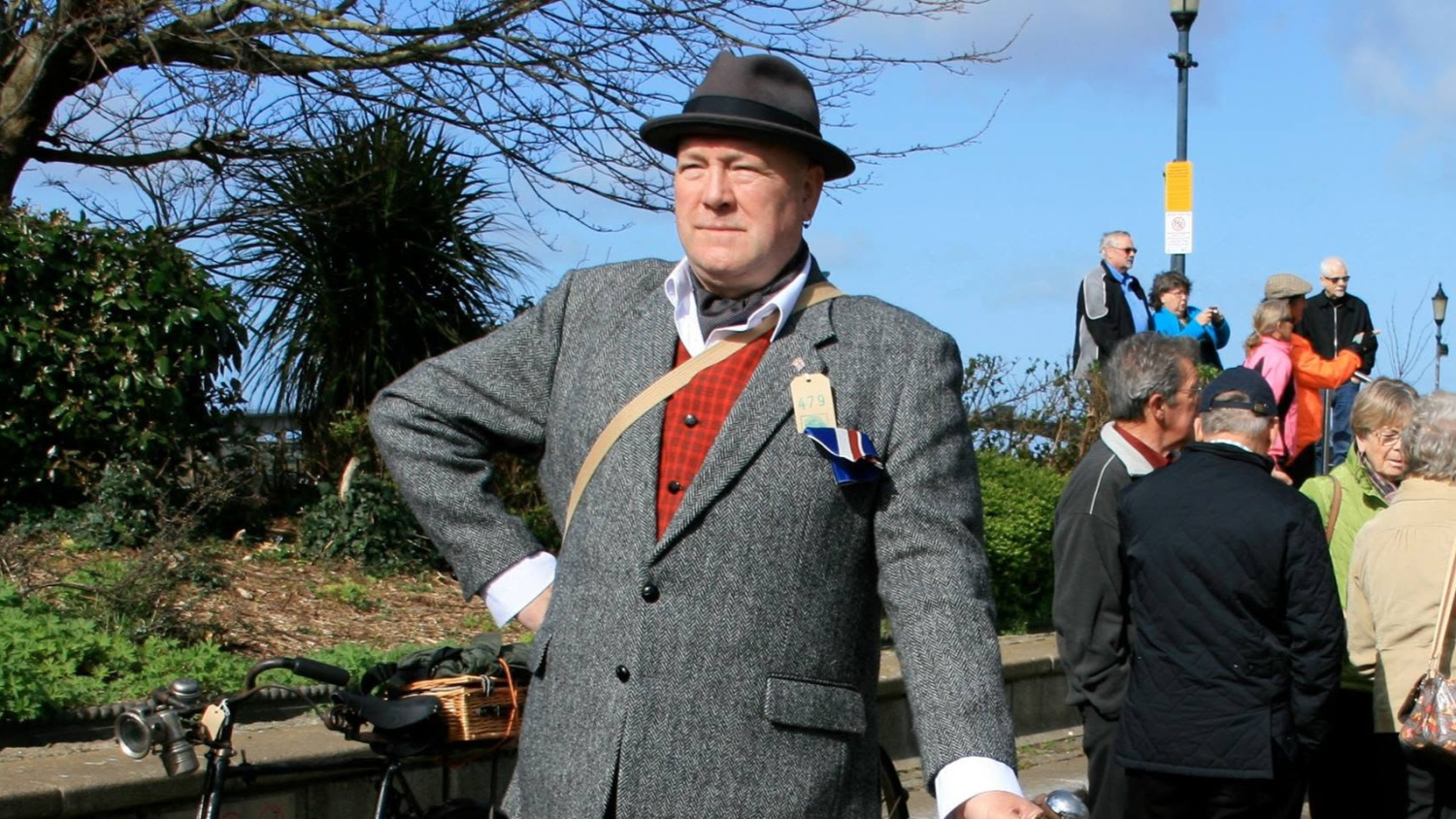
Colin Shaddick, self-taught artist and the Eccentric Club's Envoy for Devon, on North Devon silence, a medal at the Arts Club, busking in the Appalachians, and the difference between anger and curiosity
Two hundred miles from St James's, beside a river called the Taw, there is a man who has spent a lifetime noticing the things the rest of us walk past. An old wall with peeling paint. A weathered gate. The way evening light catches the bark of a tree. He collects these moments the way other people collect stamps, lets them sit for weeks or months or years, and then builds them, in layers, into pictures that are less a copy of a place than a record of what it felt like to stand there.
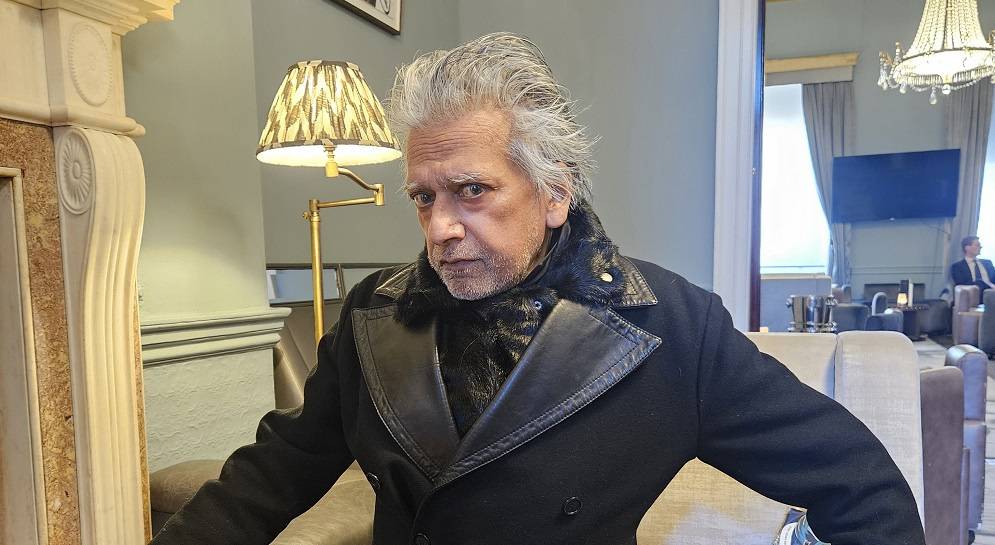
Colin Shaddick is a poet, an illustrator, a photographer, a songwriter, a playwright, a musician and a disability-rights campaigner, which is a great many things to be, and he is entirely uninterested in choosing between them. He is also, since some years now, the Eccentric Club's Envoy for Devon - a title he holds lightly, as though it were less an office than a set of doors to be opened. He is self-taught. His art teacher, he says, was life.
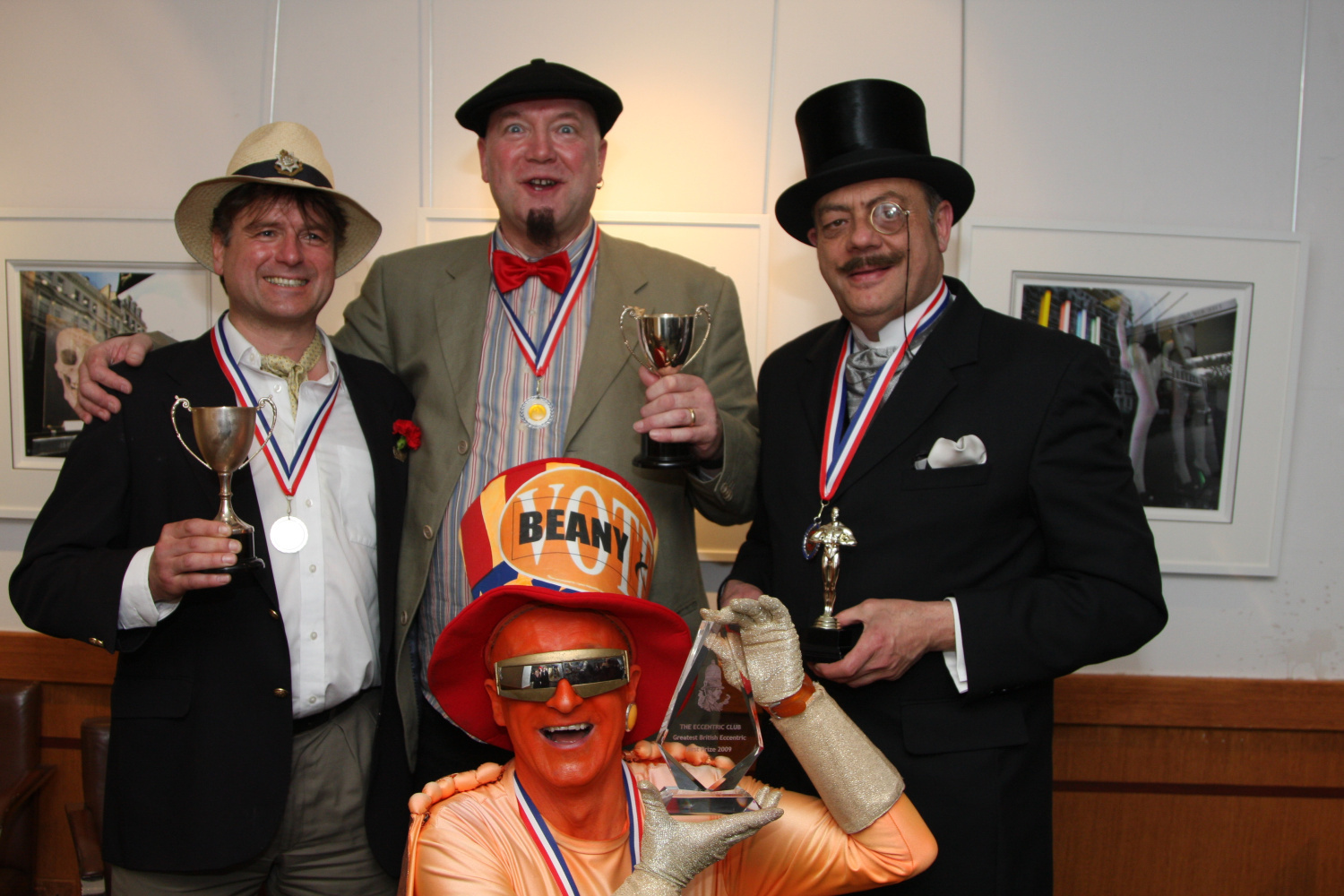
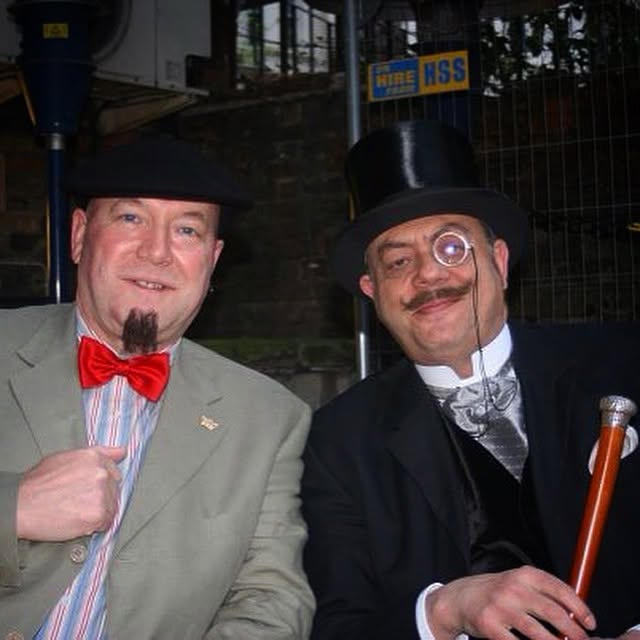
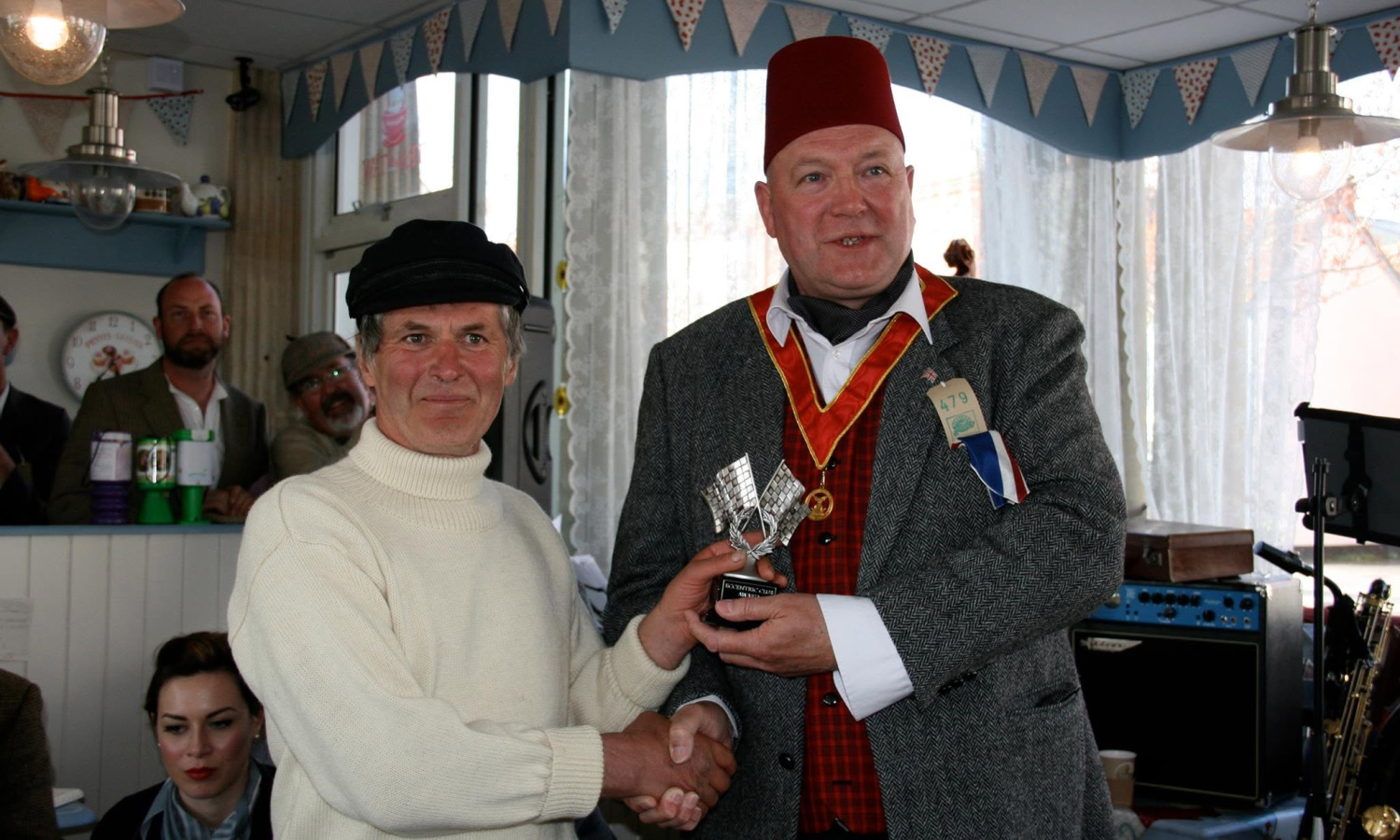
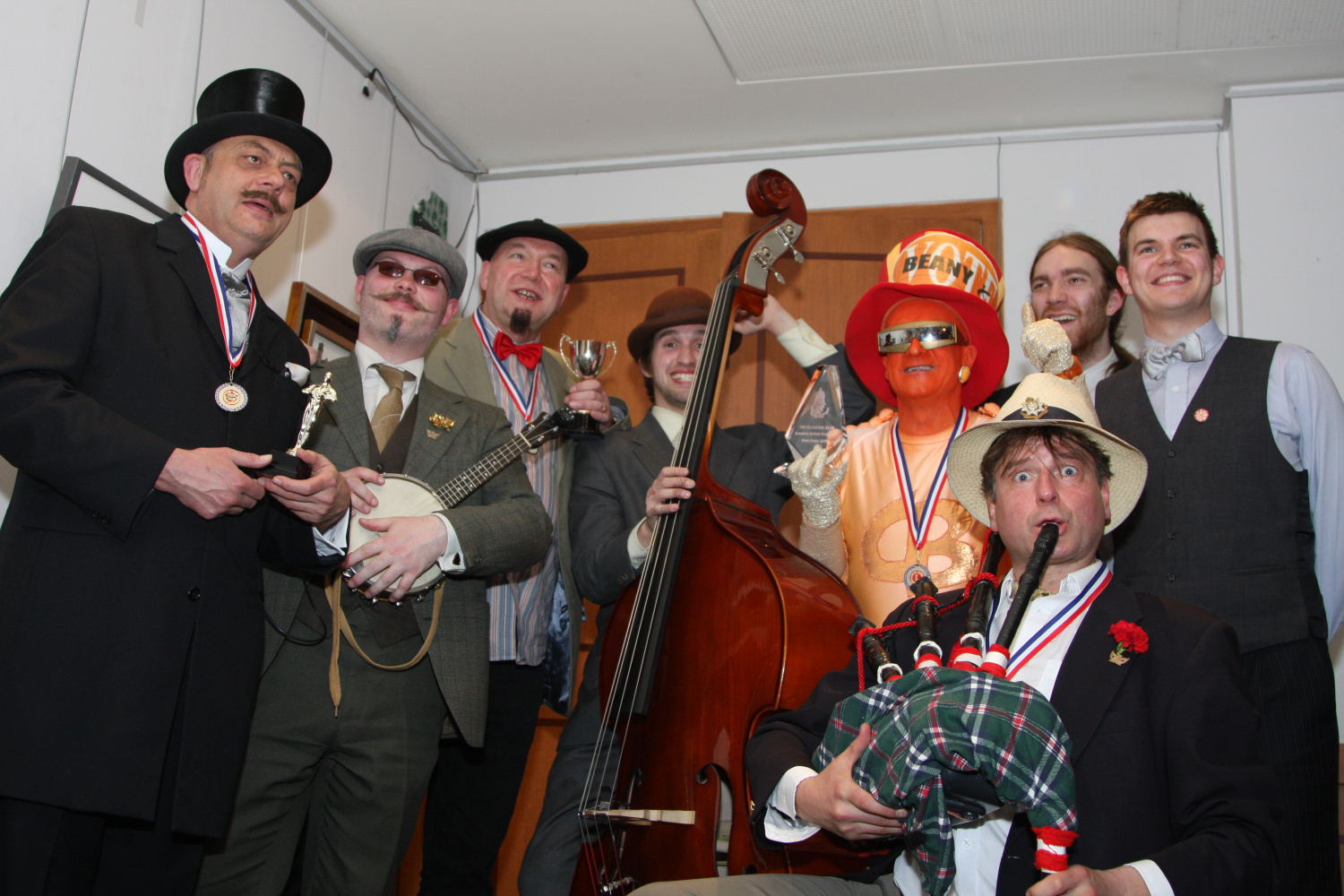
He lives with fibromyalgia, which on some days means a mobility scooter and on all days means determination, and he came to a wider public's attention in the least likely way imaginable: by winning a Great British Eccentric Award at the Arts Club in Mayfair, on April Fool's Day, for an unaccompanied song he can no longer quite remember. He left that evening with a medal, a certificate and a cup, and - more to the point - the feeling that he had found his tribe.
We asked him rather a lot of questions. He answered, as he does most things, in his own way: part conversation, part poem, but wholly himself.
Did you feel any different, as a boy in North Devon?
The honest answer is no. As a child I never thought of myself as different. I was simply curious. While other children were climbing trees or playing football, I was just as happy watching birds from a hiding place, following beetles through the grass, or wondering what lay beyond the next bend in the River Taw.
I wasn't good at sports. I didn't speak up in class.
But I noticed things. Little things. The change in someone's voice when they were lying. The patterns in wallpaper.
Conversation had edges. Rooms had moods. Silence wasn't calm - it was amplified.
At the time, I didn't think I was unusual. Looking back, I can see that my mind simply worked differently. I was a curious little boy, ready to follow whatever fascinated me next.
Did others see you as strange?
Some children thought I was odd. A bit of a weirdo.
You carry those things with you. The names they give you. The silences. The looks. You carry them on your skin. In your sketchbooks. In the spaces between what you say and what you meant to say.
But I don't feel any resentment towards those children now. They were trying to make sense of someone who didn't fit their idea of normal. It took me many years to realise there was nothing wrong with being different. In fact, it became the source of almost everything I've created.
 © The Eccentric Club
The Arts Club, April Fool's Day of 2009, a shiny medal, a cup. What do you remember?
When Linda and I travelled up to London for the awards, I was feeling apprehensive. I began to wonder whether I should have agreed to take part at all.
Then another thought occurred to me: what on earth would all the other eccentrics be wearing? And another: the Arts Club, Mayfair, for goodness' sake. They weren't going to hand out awards for nothing. Would there be a master of ceremonies in a glittering jacket asking impossible questions? A buzzer? A trick question? An Eccentricometer?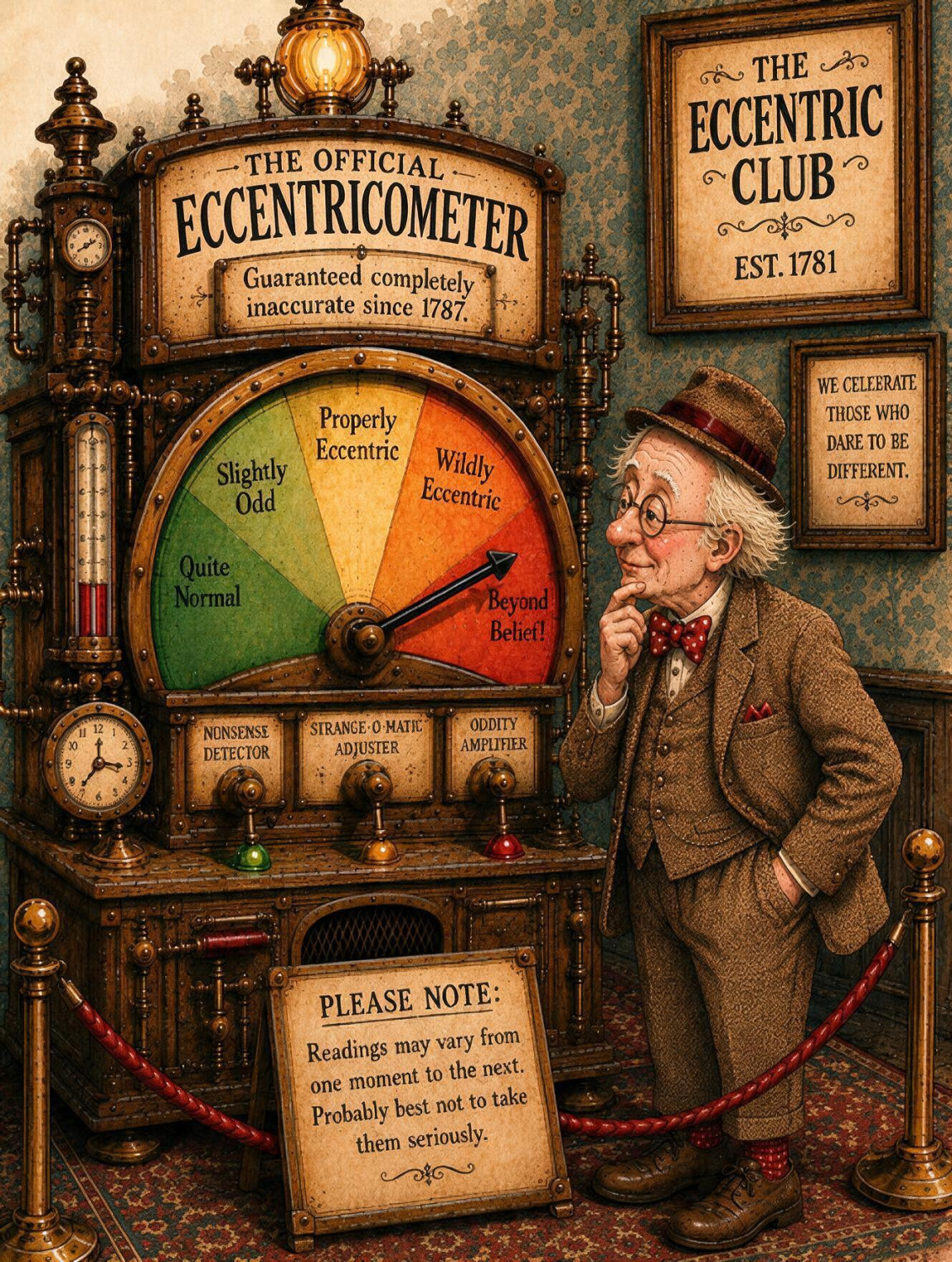 Colin Shaddick
In the event, my piece was an unaccompanied song - The Fats of Life, or perhaps The Chavs and the Chav-nots, I can't now remember which. Whatever it was, I thoroughly enjoyed singing it, and the audience seemed to enjoy it too.
Friendships formed almost immediately, and any nervousness I'd brought with me disappeared. I arrived wondering whether I belonged. I left feeling I'd found my tribe. To walk out of the Arts Club that night with a medal, a certificate and a cup was something I never expected, and never will forget.
You thanked the pubs that had you, and told the ones that hadn't to save their breath. Satisfying?
Very - though it wasn't meant unkindly. In the early days I spent a great deal of time travelling from one venue to another, asking whether they'd consider an evening of poetry and music. Some welcomed me at once. Others politely declined. A few never replied at all.
I soon realised there was no point persuading people who weren't interested. My time was better spent with those who opened their doors and trusted an audience to enjoy something a little different. So when I thanked the ones who'd had me and told the rest to save their breath, it was said with a smile. Gratitude has always seemed a better companion than disappointment.
I remember the welcomes far more clearly than the refusals. The people who said "yes" helped shape my life.
What does life hold for the Club's Envoy in Devon?
It has never felt like holding an office. It has felt more like opening doors. Over the years I've arranged gatherings, introduced people I thought ought to know one another, and represented the Club across the county. Some of those friendships have carried me a great deal further than I could have imagined - poetry and songs in London, travels across Brittany and Dublin, and unforgettable road trips through Kentucky with the poet Ron Whitehead and a whole community of writers, musicians and artists.
That's one of the great gifts of eccentricity. It removes unnecessary barriers. You meet people not for their profession or status but for their curiosity. For someone who spent much of his childhood happily wandering the fields of North Devon, it has been quite an adventure.
Does eccentricity mean something different two hundred miles from St James's?
I think it probably does. London has always celebrated the colourful eccentric - the larger-than-life character who enjoys surprising people. Devon is rather different. Here eccentricity often goes unnoticed, because it has become part of everyday life. Every village has its characters, accepted because they've always been there.
Growing up, I knew people who could read the weather by the smell of the soil, tell the time by the shadows on a hedge, or carry stories handed down through generations. Nobody thought to call them eccentric. They were simply themselves.
Perhaps that's why I've never much wanted to be eccentric. I've always been far more interested in being genuine.
The most eccentric thing you've ever done?
It happened in Pikeville, Kentucky, on a poetry-and-song road trip with Ron Whitehead. It wasn't eccentric in any theatrical way. It was beautiful.
One afternoon I had the chance to accompany Sarah "Songbird" Burkey, who sings traditional and contemporary Appalachian songs of life, love and loss. She sang and played guitar; I played harmonica. We performed facing a busy street rather than an audience - busking, in effect, which is a rare enough sight in Pikeville.
For a little while two very different musical traditions met on a street corner in the Appalachian Mountains, and it felt completely natural. That's my favourite kind of eccentricity: when people from different backgrounds discover they've been speaking the same language all along, without ever having met.
And a good night's performance - what did it consist of?
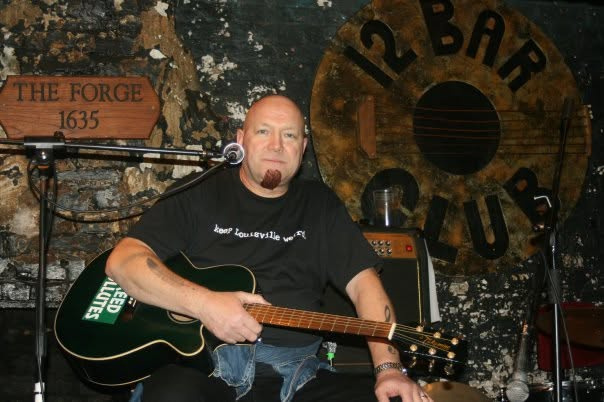
It was never just a performance. It was a conversation. I might open with a poem, wander into a song, tell a story that had happened on the way to the venue, pick up a harmonica, or invite the room to laugh at something that had gone spectacularly wrong that week. No two evenings were ever the same.
I learned very quickly that audiences aren't looking for perfection. They're looking for honesty. Stand in front of people and genuinely enjoy what you're doing, and they'll usually come along with you. The poems opened a door; the songs invited people inside. By the end, complete strangers would stay behind to tell me their own stories. That was always the greatest applause.
Take me through one of your pictures - how is it born?
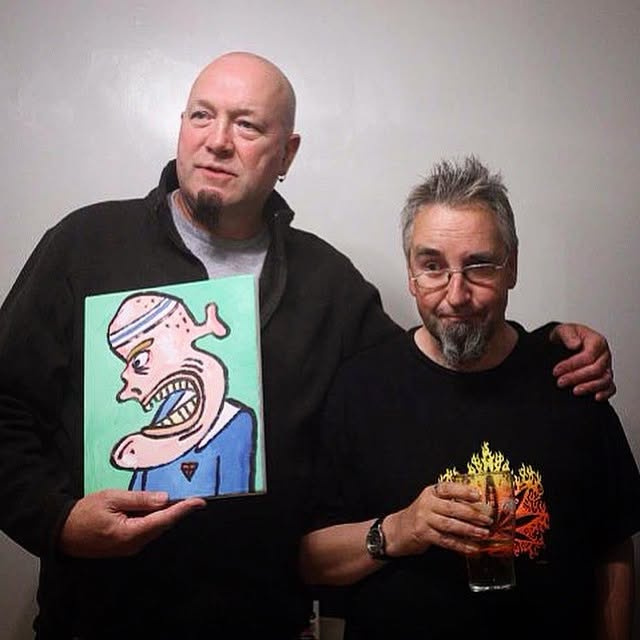
People sometimes imagine I begin with a finished picture in my mind. I never do. Most of my work begins with noticing something others have passed - an old wall, a faded photograph, rust on a forgotten door. Those moments sit quietly in my mind for weeks or years before they find each other.
My pictures grow rather than arrive. I work by instinct, building layers of photographs, textures, shapes and words until something emerges that feels emotionally true. I'm not copying what I saw. I'm trying to recreate what it felt like to be there. Sometimes the finished picture surprises me. When it does, I know it's done.
What are the real barriers between an artist and the art world?
People assume the barriers are galleries, critics, geography. I don't think they are. The greatest barrier is believing that somebody else has the authority to decide whether your work matters.
For years I lived in North Devon, a long way from what most would call the centre of the art world. I also live with fibromyalgia, and there have been times when simply leaving the house has taken real determination. Yet art has never depended on where I happened to be. It has depended on whether I stayed curious.
I'm entirely self-taught. Everything I know has come from looking, listening, making mistakes and beginning again. Art doesn't ask for permission. It asks for honesty.
Poet, cartoonist, photographer, songwriter, playwright, activist. Which are you most?
My creativity has never confined itself to a single medium, and I've never asked it to. Poetry gives my thoughts a voice. Illustration lets me build worlds from imagination. Music provides the rhythm running through my life. They don't compete. They simply tell the same story in different languages.
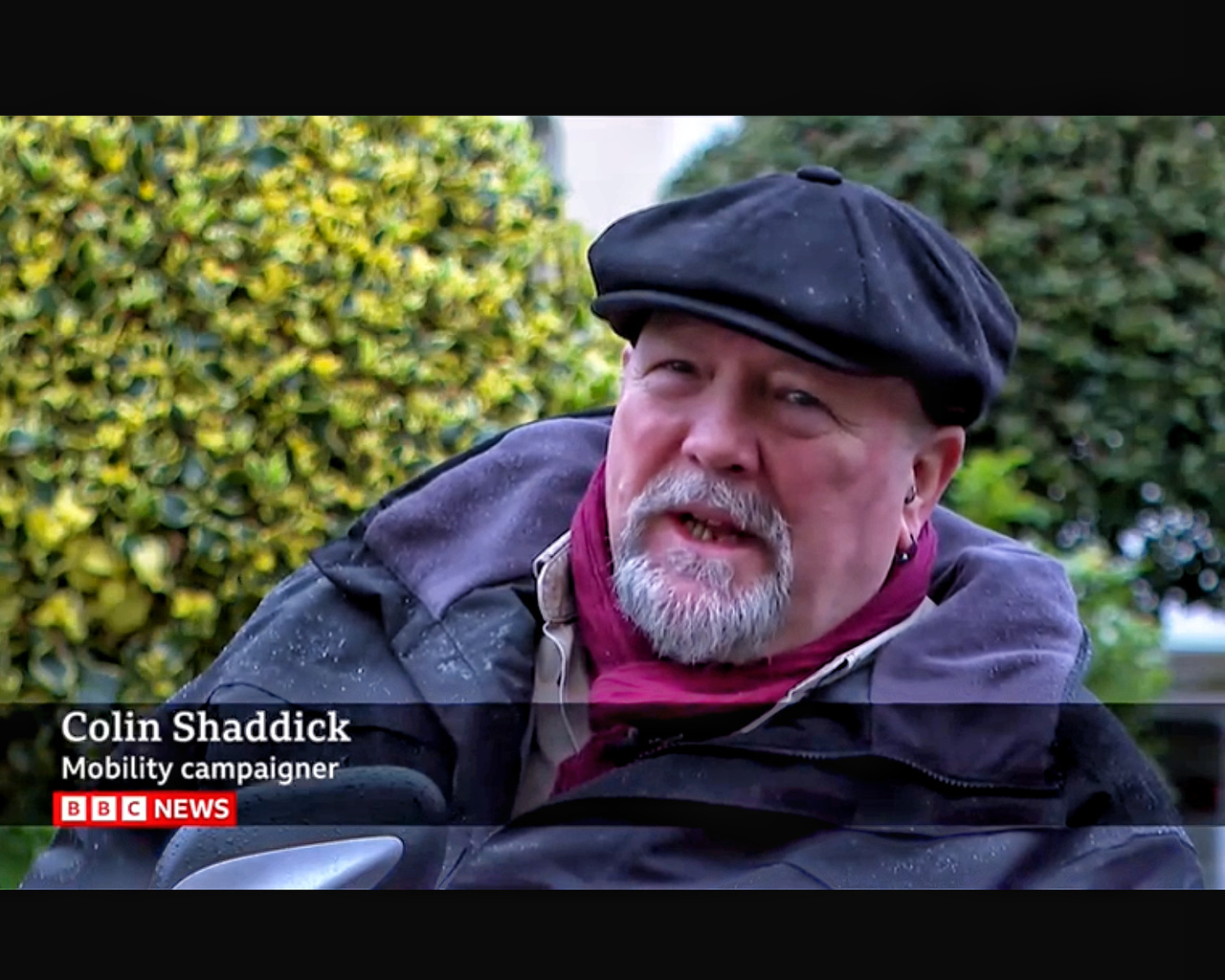
Tell us about the activism.
It didn't begin with politics. It began with pavements. Living with fibromyalgia means there are days I need a mobility scooter, and once you're sitting at that height the world looks very different. You start to notice the missing dropped kerbs, the narrow pavements, the cracked slabs, the bins and cars left across a footpath - the barriers many people never see at all.
I realised that if I was meeting these obstacles, a great many others must be too. So I began to speak up: contacting councillors, working with local organisations, talking to the BBC, building an online community where disabled people could share their experiences. Nothing comes easily when you live with a disability, but small improvements can transform someone's independence.
I've never thought of activism as fighting against people. For me it's about helping people see what they might otherwise have walked straight past. Perhaps that's simply another form of noticing.
Where does the determination come from?
I used to think it came from pushing harder. I don't believe that anymore.
A few years ago I began a memoir - about my childhood, my ADHD, and the many paths that led me towards art. I called it The Cage, the Cloud and the Canvas. What I thought would be a record of my life became something far more unexpected: as the memories reached the page, I began to understand them differently. I thought I was recording them. Instead I found myself understanding them.
Acceptance and forgiveness have become two of the strongest pillars of my life. They haven't erased the past; they've changed the way I carry it. Carrying anger is exhausting. Curiosity is much lighter. It leaves both hands free to create.
A time machine. Where would you go - and would you take a guitar or a pencil?
I'd only need a very short journey. Back to North Devon in the 1950s. Not to change anything - simply to stand for a while. To hear the birds again. Walk beside the Taw. Listen to rain on a tin roof. Open the old wireless set and watch another adventure begin.
As for the guitar or the pencil, I'd take neither. I'd want both hands free to shake hands with the little boy who had no idea where his curiosity would eventually lead him.
You've written about staring at walls. What should a Londoner understand about a life made in North Devon?
People imagine that staring at a wall means nothing is happening. For me it was often the opposite. North Devon taught me that silence isn't empty. It's full. The changing light across a field. Rain approaching over distant hills. A gate somewhere beyond the hedge. A blackbird stopping halfway through a song. Those things don't interrupt life. They are life.
There is no such thing as "nothing." There is only something we haven't noticed yet.
One piece of advice - to your younger self, or a reader.
For years I thought I had to become somebody else. Quieter. More organised. Less curious. More like everyone around me. I was wrong.
So: you are art. You are already a canvas. Show yourself. Be proud of what you are. The world has enough copies. It only ever gets one of you.
Looking back, Colin Shaddick says, he sees not a series of careers but curiosity taking different forms - now a poem, now a song, now a photograph, now a cartoon, now a campaign to make life a little easier for somebody else. "The world is full of remarkable things," he offers, by way of farewell. "Most of them simply require us to slow down long enough to notice." His motto, he adds, is Nil Nisi Bonum.

Comments (0)
No comments yet.
Commenting is for subscribers. Sign in or subscribe to join the conversation.