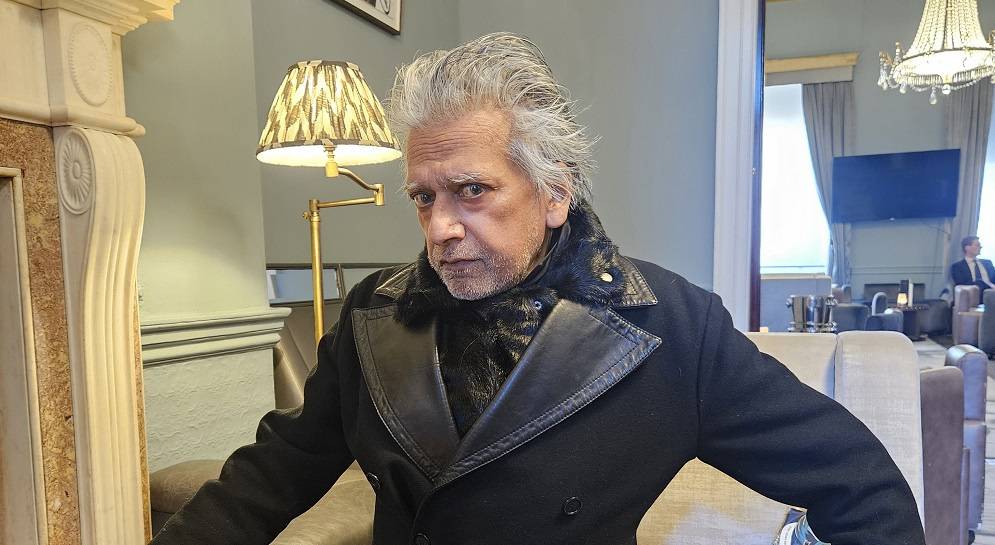
American friends of the family, sailing home to the States, left their Steinway grand behind in the cavernous potting shed. This is not a detail many childhoods can offer, but Ty Jeffries's was not many childhoods. Amongst the gardening detritus of the house in Beaconsfield, aged about five, he would sit for hours at the abandoned piano inventing little melodies - and he has, in one form or another, been doing it ever since. His first publishing deal came at sixteen. He did not learn to drive until eighteen, which makes him, by his own reckoning, a professional composer before he was a motorist.
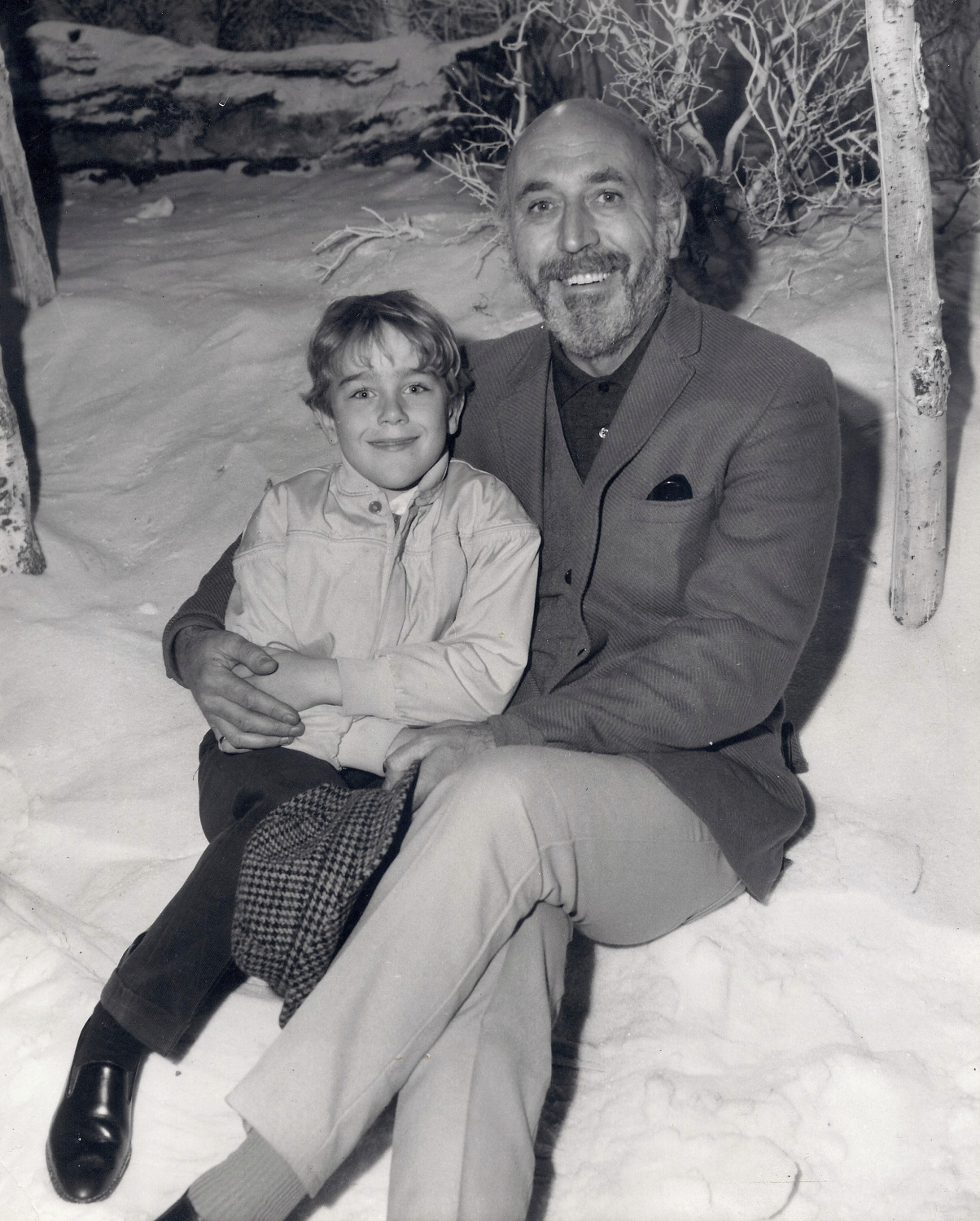 Ty Jeffries Personal ArchiveTy with fatherHe was the son of Lionel Jeffries - the actor and director whom the nation knows as Grandpa Potts in Chitty Chitty Bang Bang and as the man behind the camera on The Railway Children - and of Eileen, an actress who gave up her own career, having met Lionel at RADA in the late 1940s, to raise the children and manage a complicated husband. The childhood that followed was gilded and itinerant in equal measure, the family forever packing up to relocate wherever his father's films were shooting. It played havoc with his schooling but gave a small boy an extraordinary early taste of other lives - and, in time, an address book that ran from Hollywood royalty to the composers of some of the century's greatest film scores.
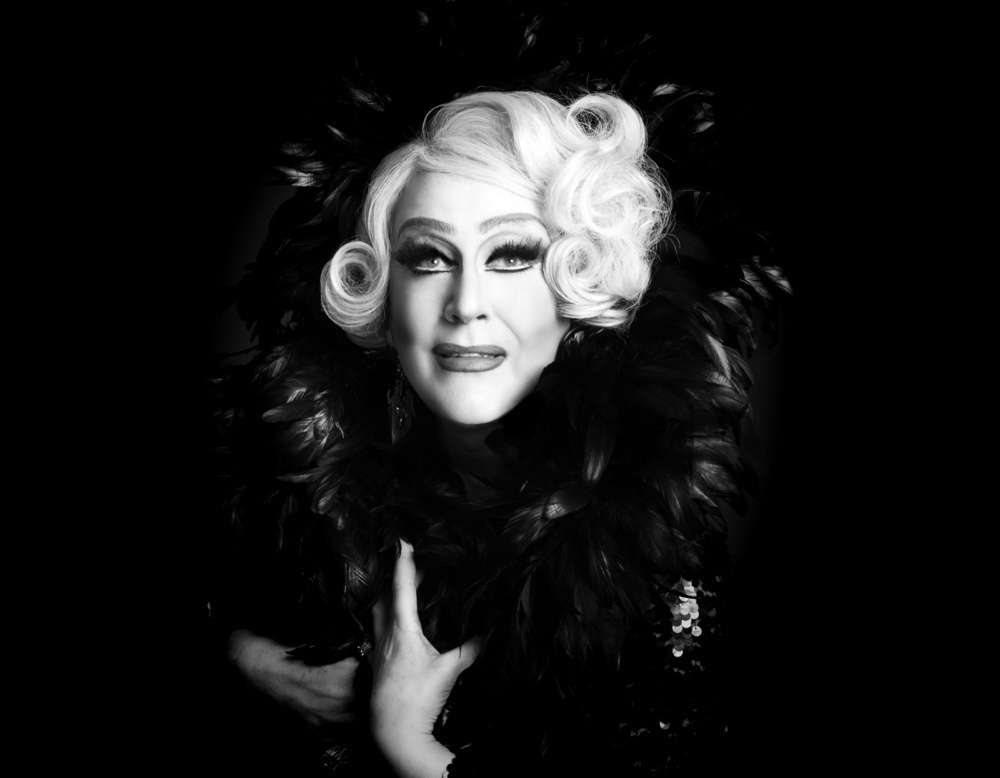
And yet the door he most wanted was the one his parents refused to open. It took him decades to find his own circuitous route into a form that could hold everything he was at once - the acting, the singing, the piano, the songwriting and, yes, female impersonation. Her name is Miss Hope Springs, a fading Las Vegas glamorpuss of scandalous anecdote and original song, and she was a long time coming: her creator was past fifty before he felt able to step fully into the spotlight himself.
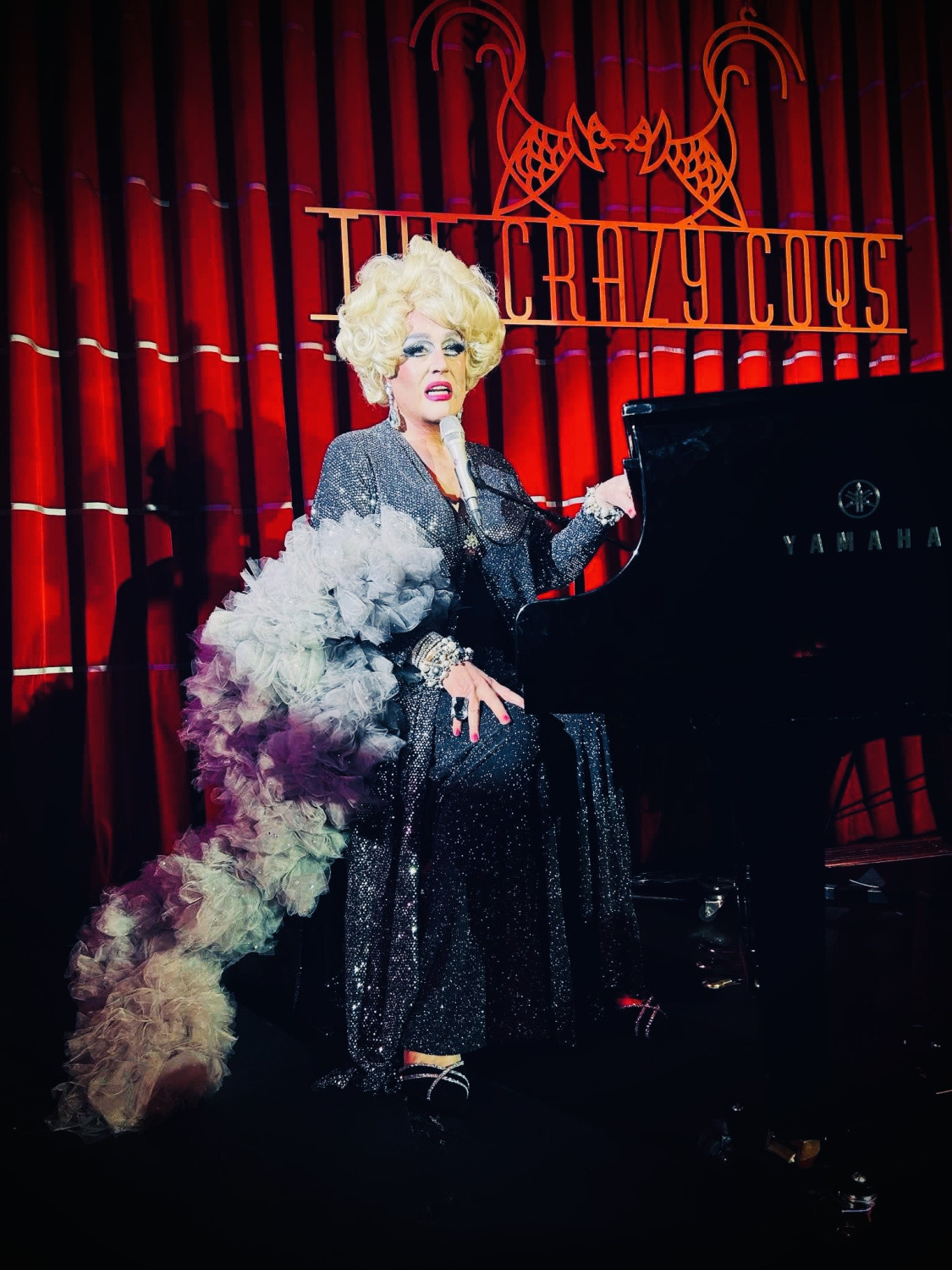
What followed made up for lost time: a fourteen-year residency at the Crazy Coqs, lately concluded; four solo shows at Wigmore Hall, that valhalla of the classical and the early; and a body of work the restaurateur Jeremy King, who gave Hope her platform, once christened sophisticamp. Below, Ty answers our questions with the wit, the erudition and the faint melancholy that are entirely his own.
Split between Beaconsfield and Beverly Hills - did you feel different as a child?
It was all I knew. We'd pack up for three or six months, or a whole year in the case of Camelot (1968), and relocate. We lived in Hollywood, the South of France, Spain, Hungary, wherever my father was making films. It rather fractured my education, and my handwriting suffered terribly; I still scrawl like an inebriate spider. But it gave me a real taste of other ways of life.
Astaire, MacLaine, Bernstein, John Mills. Which of them actually taught you something?
I danced with Uncle Fred down Sunset one night after a dinner - Frank Sinatra had joined us - and he taught me a couple of steps. John Mills taught me some lovely jazz chords at the piano. Elmer Bernstein, who wrote The Magnificent Seven and To Kill a Mockingbird, encouraged my own compositions. And Shirley MacLaine, nothing in person - but Miss Hope Springs has a large dollop of La MacLaine in her DNA.
What was it like to be Lionel Jeffries's child?
I have nothing to compare it to. I was enormously privileged and had so many magical experiences. My mom had been an actress; in fact, my folks met at RADA as students in the late 40s. Dad was a very complicated man, and I had an extremely difficult relationship with him until the day he died. He still casts a shadow over my life.
A professional composer before you could drive - is that right?
Ha. Yes, my first publishing deal was at sixteen, with Bill Martin and Phil Coulter's company - they wrote the Eurovision hits Puppet on a String and Congratulations - and I didn't drive until eighteen. So, yes. Guilty.
Gaultier, Rocket Records, Vangelis, the Associates. Why did none of it quite stick?
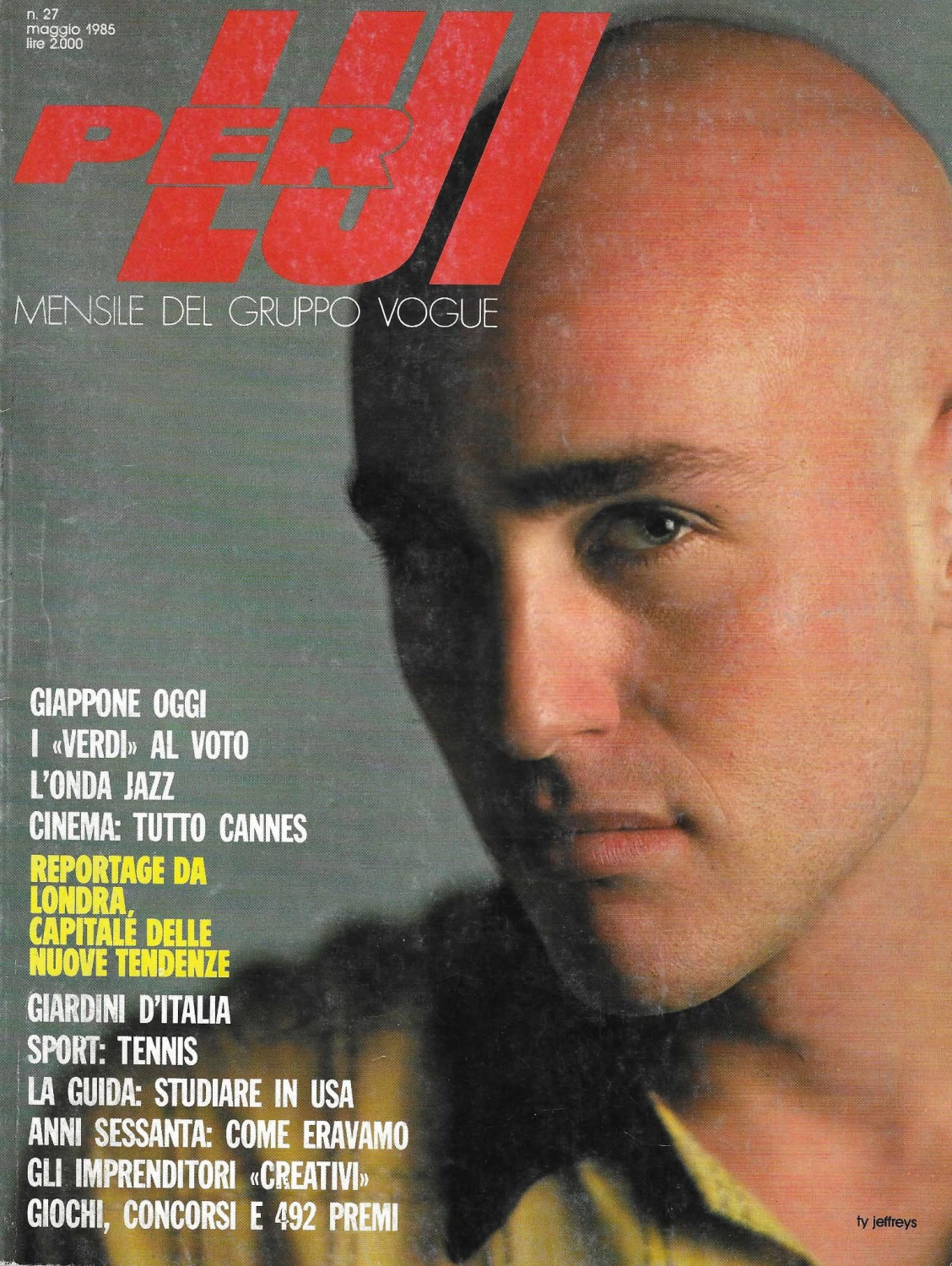 I'm not sure "stick" is the word. In my early twenties I was a working model in London, Paris, New York and Milan - I walked for Gaultier, Comme des Garçons and Paul Smith, and was shot by Arthur Elgort, Max Vaducal and Nick Knight, with spreads in British Vogue, L'Uomo Vogue and Per Lui. I stopped because I wanted to focus on music, and more or less quit when I signed to Elton John's Rocket. I had a few songs in the charts - Warrior Woman, for Carol Kenyon - but no great hits.
Vangelis mentored me for a time; I met him through his old Aphrodite's Child bandmate Loukas Sideras, and found myself hanging out with the lovely Demis Roussos. I was in the studio with V[angelis] while he wrote the scores for Blade Runner and Chariots of Fire, and I was there when Jon Anderson laid down the vocal for State of Independence. Later, around 1990, I was invited to join the Associates on keyboards - we toured, did some television, notably the BBC's The Late Show - but Billy Mackenzie, another complicated soul, sadly took his own life.
Being a freelance artist isn't like being an accountant with a job for life. It's debilitatingly insecure. You diversify, you take the opportunities that present themselves, and whether they stick is down to the gods.
Tell me about the house with the ex-Vegas landlady in it.
A huge, beautifully decorated Victorian house in Trinity Crescent, Tooting, where I lodged with an ex-Vegas showgirl landlady called Lyn and her two children. People like Lionel Blair and Richard O'Brien were friends of hers, so there was endless laughter and music. My first cabaret job came in 1980, when Lyn's husband Barry asked me to deputise for him at Langan's Brasserie in Mayfair. From there I went on to the Roof Gardens for Richard Branson, the Ritz tea dances, and a since-vanished Battersea venue with the marvellously eccentric name of All My Eye and Betty Martin.
You were past fifty when Hope arrived. What took her so long?
She first stirred when I was a teenager, fed by my obsession with the Hollywood actresses of yesteryear, but my first steps performing as her came in 1994, with a show called Miss Hope Springs Sings Streisand at the King's Head in Islington. She had an elephantine gestation - Hope, not Barbra. My parents hadn't wanted me to act and wouldn't allow me RADA, and they certainly didn't open any doors for me, so it took me years to find my own circuitous route in - to hoe my own row, as they say in the States (hoe as in the farm tool, not hoe as in hooker) - bringing acting, singing, piano, music and lyrics and female impersonation together in one creation. My first fully formed shows as Hope - all my own songs, and her scandalous showbiz stories - weren't until the Brighton Fringe in 2010, when I turned fifty. It was the year my father died, and I finally felt I could venture into the spotlight myself.
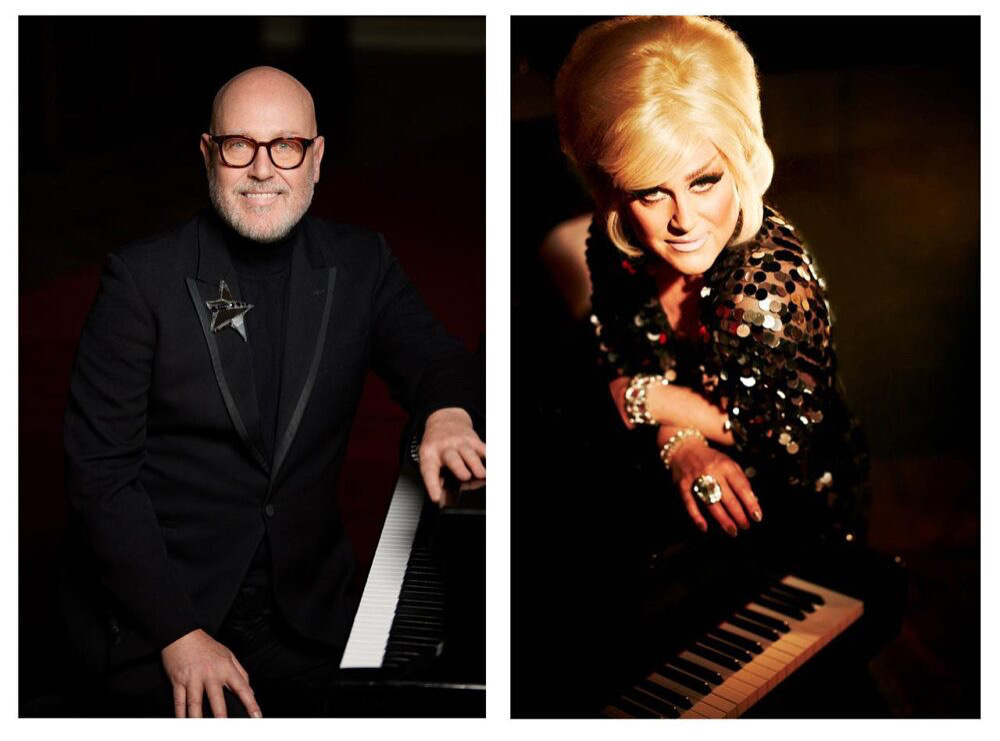
Is it drag - and what do you make of drag's mass popularity?
Yes, it's drag - but not as we know it, Jim. I was shaped by the drag stars of the Sixties and Seventies: Jim Bailey, Charles Pierce, Craig Russell. Less by Danny La Rue, though he was a family friend - my father starred with Danny in Hello, Dolly! in the West End. But also by the white faces of Japanese Butoh and the great Kazuo Ohno, by the onnagata of Kabuki, by the silent faces of Keaton and Chaplin, by Garbo and Crawford, by Ravel and Debussy, Brecht and Weill, the Gershwins, and all the Bergmans - Alan, Marilyn, Ingmar and Ingrid.
RuPaul's Drag Race is alien to me, I'm afraid - I've never managed a full episode. Too loud, too brash, too formulaic. With a classical training at the Purcell School and a childhood in legitimate theatre and the higher echelons of film, I've always aspired to something else.
The proudest feathers in my sequinned cap are the four solo shows I was invited to give at Wigmore Hall. Jeremy King, who gave me my break at the Crazy Coqs, always called what I do sophisticamp. I'll take that.
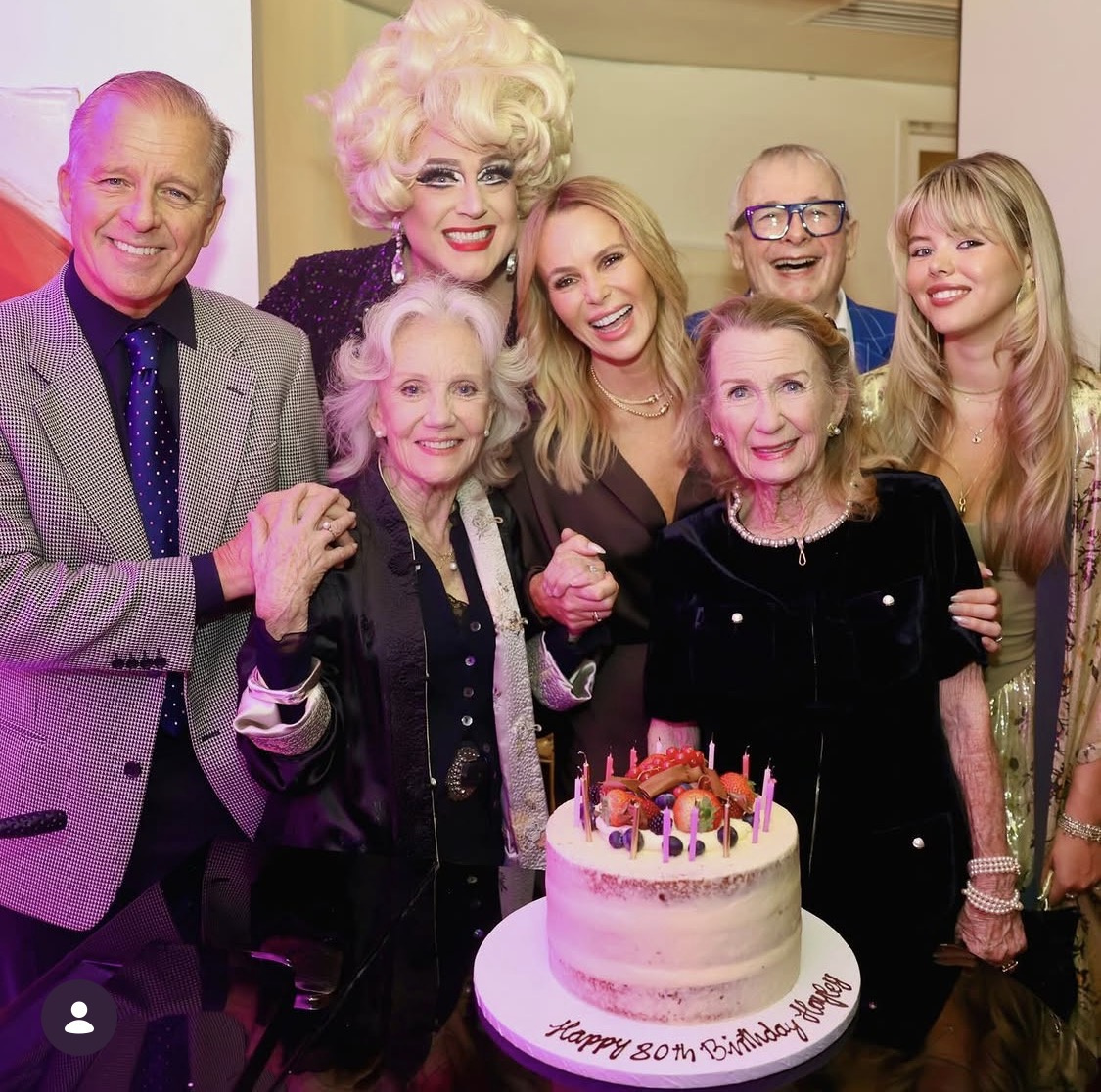
My lifelong friend Hayley Mills asked me to perform at her recent eightieth birthday. Amanda Holden - a delight, and totally bonkers - was there and said, "We need to get you on RuPaul's Drag Race." I replied, "As what? If I did a death drop at my age it would probably kill me."
Fourteen years at the Crazy Coqs. Why did it end?
All good things must come to an end. And a fourteen-year residency anywhere is quite long enough, don't you think?
What has it cost - and where do the resilience and inspiration come from?
The cost of the wigs, the eyelashes, the truckloads of slap, the sparkly trouser suits and the vast organza boas? Or the cost to me as a human being? After more than forty-five years of cabaret, one way or another, I do at least know what I'm doing now. I love my time on stage, especially as Hope - she's such fun to be around. As myself, less so. I prefer having all that paraphernalia to hide behind. It's safer.
Mark Gatiss said of my work that it was "the lie that makes us realise the truth" - a Picasso line, I believe. I'll take that too. I always aimed to make real art, whether in the songwriting or in Hope. Whether I've truly managed it is for others to say.
The most eccentric thing you've ever done?
At sixty-seven, dressing as a fading glamorpuss and plying my cabaret wares must be a little eccentric in itself - if not completely, bloody deluded.
What do you make of the Eccentric Club?
You hold aloft the torch for that true-blue British breed, the Eccentric. Just as there'll always be an England, there'll always be eccentrics - and I'm honoured to be included in your magazine.
A time machine - Vegas in 1962, or London in 1935?
As Hope, my default state is already Vegas in the Sixties - I spend far too much time there. So I'd choose London in 1935, to hang about with Noël and Gertie, and with a young Fred Astaire and his sister Adele - whom I later knew in the 1970s as Lady Cavendish, and stayed with at Lismore Castle. Now she was an eccentric.
Which song are you proudest of - and does Hope come back?
Carnival, I think - Robbie Williams called it "beautifully written and tragic," and it encapsulates the tragi-comic essence of Miss Hope Springs: "I don't know how to do real life, but I can sure put on a show." Will she have another comeback? There have been seven so far, so who knows. She's simply waiting for Mr Ziegfeld to call.
A piece of advice to your younger self.
Don't take no for an answer.
Miss Hope Springs's fourteen-year residency at the Crazy Coqs recently came to a close. Ty Jeffries's original songs, performed as Hope, span pop, swing, Latin and torch balladry; his four Wigmore Hall solo shows remain, he says, the proudest feathers in a much-sequinned cap.

Comments (0)
No comments yet.
Commenting is for subscribers. Sign in or subscribe to join the conversation.